Quick answer
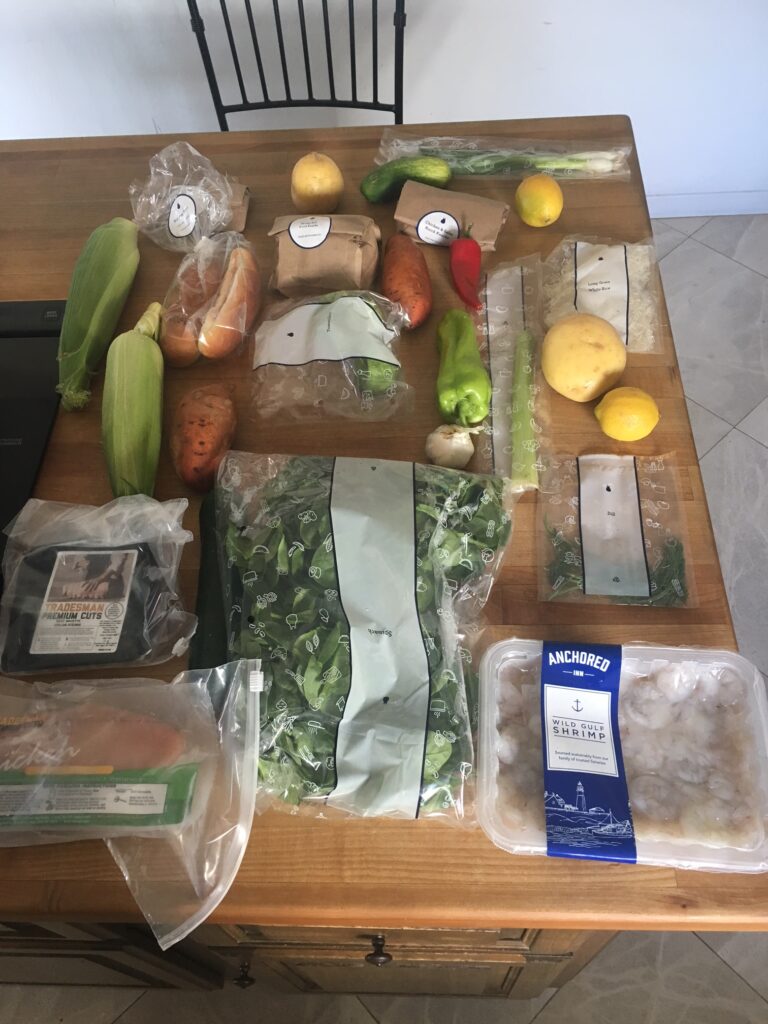
Choose meal kits if you want help with ingredients and recipes but still want to cook. Choose prepared meals if your priority is getting dinner ready with little hands-on work. HelloFresh illustrates the ingredients-to-cook format; Factor illustrates the cooked-meals-to-heat format. Neither removes the need to check instructions and handle food safely. (hellofresh.com)
Best starting point: Decide whether your weeknight problem is planning dinner or cooking dinner. Buy help with the task you actually want to avoid.
US consumer guide. Published preparation examples checked October 10, 2026. These are format comparisons, not hands-on reviews or guarantees that a particular recipe will appear in an upcoming menu.
1. Compare the work left for you—not just the meal photograph
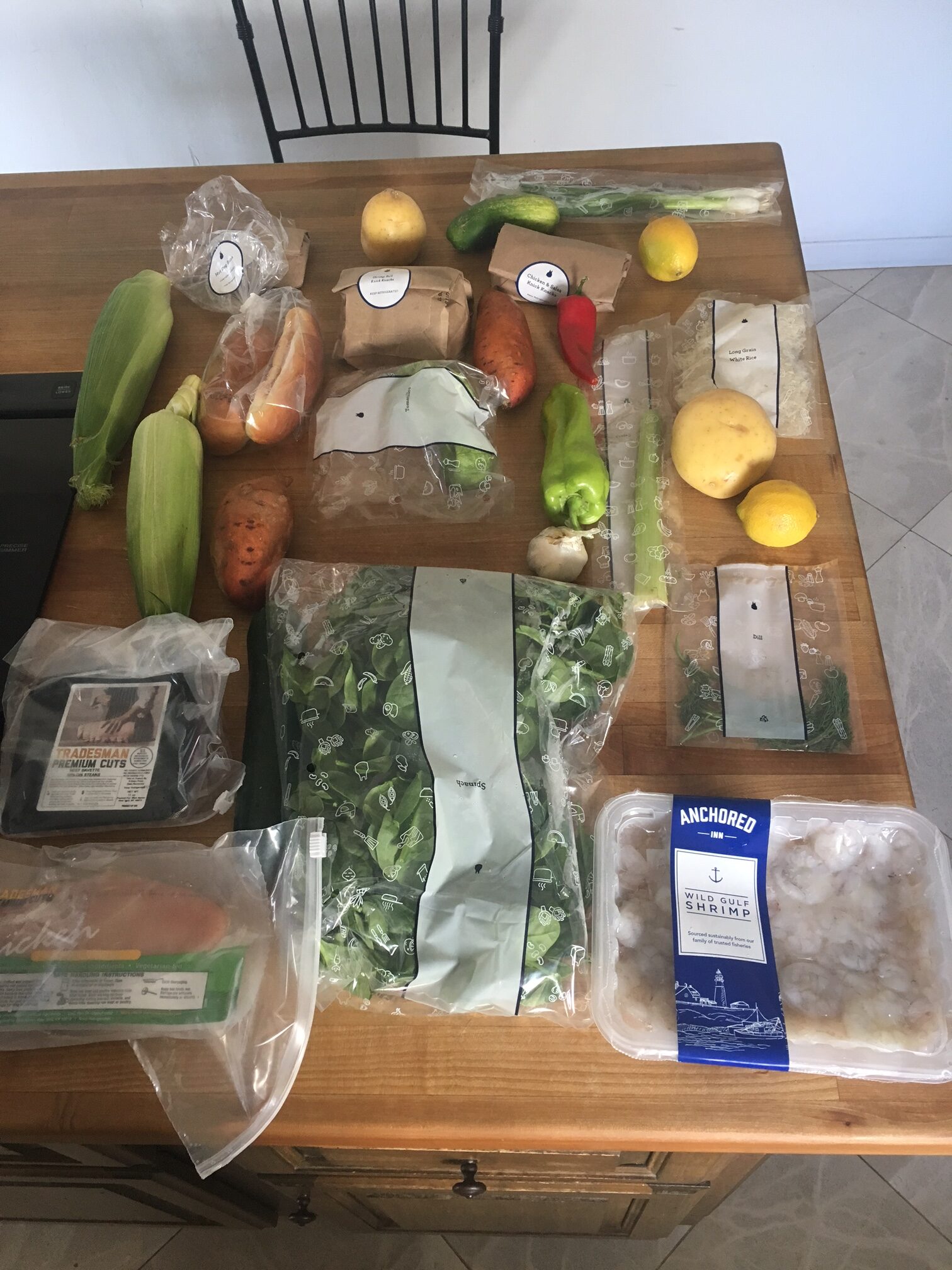
The important difference is what happens after you open the refrigerator. With a conventional meal kit, you turn supplied ingredients into dinner. With a prepared meal, the provider has already cooked the food, and you follow its heating directions. The finished dishes can look similar while requiring very different evenings. (hellofresh.com)
| Weeknight consideration | Ingredients-to-cook meal kits | Prepared meals to heat |
|---|---|---|
| Hands-on work | Read the recipe, prepare ingredients, cook and assemble | Open or vent packaging as directed, heat and check readiness |
| Published timing example | HelloFresh’s archived Roasted Veggie Farro Bowls lists 40 minutes total and 5 minutes prep | Factor’s Smoky Gouda Chicken page specifies an initial 2-minute microwave cycle and 2-minute standing time, with more heating if needed |
| Equipment | Depends on the recipe; check appliances, cookware and utensils | Depends on the meal’s approved heating method and packaging |
| Cleanup | Plan for the cookware and preparation tools used | Plan for utensils, any serving plate and packaging; oven heating can add a baking sheet |
| Storage check | Read ingredient storage instructions and plan cooking dates | Read each meal’s storage and date instructions |
| Flexibility | You assemble the dish and can decide how to finish it | The core dish is already assembled; choose a suitable meal before ordering |
The table’s preparation examples come from provider instructions; the equipment and cleanup comparisons are practical implications of those steps, not independently measured results. (hellofresh.com)
Do not choose solely from a category label. Open the instructions for several dishes you would genuinely order. A service is useful only if those dishes fit your kitchen and your available attention.

2. Separate active preparation from elapsed dinner time
Use three different clocks when comparing options:
- Active time: Work that requires your attention, such as chopping, stirring or assembling.
- Elapsed time: The interval from starting preparation to serving, including cooking and standing.
- Cleanup time: The work left after dinner.
A published “prep time” is not necessarily a complete measure of active work. For example, HelloFresh’s archived farro bowl lists 5 minutes prep and 40 minutes total, but its instructions also involve making dressing and finishing the bowls. Treat the labels as provider estimates, not a promise of only five minutes of involvement. (hellofresh.com)
Worked example: why cooking times should not simply be added
That recipe cooks farro for 25–30 minutes and roasts vegetables for 20–25 minutes. Adding those ranges produces 45–55 minutes, but the instructions overlap the tasks. The published total is 40 minutes. This illustrates why reading the sequence is more useful than adding every cooking duration together. (hellofresh.com)
Prepared meals need the same scrutiny. Factor’s published Smoky Gouda Chicken microwave directions include two minutes of initial heating followed by two minutes of standing. That is four minutes for those two steps alone, before unpacking, temperature checking, plating or any additional heating. The instructions require reheating to 165°F and allow further heating in 30-second intervals. (factor75.com)
Neither example is an independently timed result. For your first order, record when you start, when dinner is ready and when cleanup ends. Use your own results—not an assumed universal time allowance—to choose future meals.
3. Check your appliances, counter space and cleanup tolerance
Before subscribing, make a short kitchen inventory:
- What cooking or heating appliances can you use?
- Do you have the required pots, pans and tools?
- Is there room to prepare ingredients?
- Can you wash the equipment afterward?
- Do you have a food thermometer?
The archived HelloFresh example calls for a baking sheet, pot, bowls, zester and whisk. It is therefore not a suitable recipe for a microwave-only kitchen. That does not mean every meal kit needs the same equipment; it means the individual recipe matters. (hellofresh.com)
Prepared meals also need an appliance check. Factor’s business FAQ tells users to consult the meal sleeve for microwave or applicable oven instructions. It specifically says its meals and packaging are not designed for convection or toaster ovens. That published warning is a reason to check the exact product—not assume that every heating appliance is interchangeable. (business.factor75.com)
For cleanup, count what the instructions actually use. Include knives, boards, mixing bowls and serving dishes, not just the main pan. FoodSafety.gov also advises washing equipment and surfaces after use and keeping raw ingredients separate from foods that will not be cooked. That makes safe cleanup part of the meal-kit workload. (foodsafety.gov)
If washing dishes is the task you most want to avoid, prioritize meals whose instructions leave the fewest items to wash.
4. Match the delivery to your refrigerator and eating calendar
Before ordering, assign each dinner to a real evening. Leave nights out, travel and meals already planned off the list.
Then check where the food will go. Reserve refrigerator or freezer space according to the product’s instructions, rather than assuming the entire delivery can sit unopened until dinner.
For shipped perishables, FoodSafety.gov recommends checking arrival temperature with a food thermometer. Food should arrive frozen, partially frozen with visible ice crystals, or at 40°F or below. Refrigerate or freeze appropriately cold food promptly. If it arrives above 40°F, notify the company and do not eat or taste it to assess safety. Appearance and smell are not reliable safety tests. (foodsafety.gov)
Avoid treating “prepared” as meaning shelf-stable. Factor describes its consumer meals as delivered chilled rather than frozen. Its help guidance says the date printed on each meal’s packaging is the most reliable guide, rather than a generic count of days after delivery. (factor75.com)
For either format, ask:
- Can someone receive and unpack the delivery?
- Which items need to be used first?
- Will you be home on the evenings assigned to them?
- What does the provider say about freezing and reheating?
Do not make freezing your automatic rescue plan without checking the product instructions.
5. Compare portions and dietary information meal by meal
Count people fed, not just recipes selected or containers delivered.
As a planning example—not a provider plan—two adults eating dinner together on three evenings need six dinner portions. Check how the checkout expresses that quantity. Keep breakfasts, snacks and extra proteins separate from complete dinners.
Also review whether each selected portion suits your appetite. Do not assume a serving label guarantees that you will want nothing else alongside it.
The two formats offer different opportunities to adjust a dish. A meal kit leaves assembly in your hands; a prepared dish has already combined its components. Factor, for example, lets customers select meals weekly and publishes meal-level nutrition and allergen information online. (factor75.com)
For dietary preferences, inspect the actual dishes you would select, rather than stopping at a menu filter. If allergies matter, check the ingredient list, allergen declaration and relevant production information before ordering, then review the delivered packaging. Factor’s published guidance specifically recommends checking individual packages for the latest ingredient and allergen information. (business.factor75.com)
Do not treat leaving off a garnish or avoiding a visible ingredient as a substitute for those checks.
6. Apply the choice to three realistic weeknight situations
These are hypothetical planning examples, not customer experiences or tested outcomes.
A busy professional who arrives home hungry
Start with prepared meals if cooking is the obstacle. Before ordering, inspect microwave directions and storage dates for several suitable dishes. Choose a quantity you can assign to specific evenings.
If the real obstacle is deciding what to cook—and you still enjoy cooking—a meal kit may be the better match. Ask yourself: “Would I cook tonight if the ingredients and instructions were already here?”
A couple sharing cooking duties
Consider meal kits when both people want to participate. Divide responsibility before starting: one person handles preparation, the other manages cooking and cleanup.
Read the complete sequence together. Identify tasks that can overlap, rather than both waiting for the same pan or discovering a missing tool halfway through. On evenings when you eat at different times, consider whether individually heated prepared portions would be simpler.
Someone without a full kitchen
Start by ruling out recipes that require appliances you lack. For a microwave-and-fridge setup, look for prepared meals with explicit microwave directions.
If you have a stovetop but no oven, inspect individual meal-kit recipes rather than dismissing the entire format. Do not improvise an unapproved heating method just to make an order fit.
In all three situations, choose around the difficult evening—not the unusually relaxed evening you hope to have.
7. Run a small routine test before committing to more meals
Use the smallest order that meets your needs and the provider’s minimum. Then evaluate the routine, not just the taste.
Before ordering
- Confirm delivery eligibility for your actual ZIP code.
- Read instructions for the selected meals.
- Check appliances, cookware and any ingredients you must supply.
- Assign each portion to an eating occasion.
- Review the regular total, including shipping and extras.
- Record selection, skipping and cancellation deadlines.
This is a US-focused guide, not an address-specific availability check. HelloFresh publishes continental US coverage and says some customers in Honolulu or Anchorage may also be eligible; confirm your own address before relying on that statement. (hellofresh.com)
During the test
Record active work, time to dinner, cleanup, portion fit and anything you left uneaten. Note whether the food helped on the evening it was intended to cover.
Before the next delivery
Ask whether you would choose the same format again at its ordinary total price. Review upcoming plans before the change deadline. Factor’s consumer information, for example, makes skipping or cancelling subject to a cutoff—so “flexible” should not be read as “changeable at any moment.” (factor75.com)
The strongest choice is the one that solves your actual weeknight problem: meal kits for help getting to the cooking stage; prepared meals for help getting past it.