Quick answer
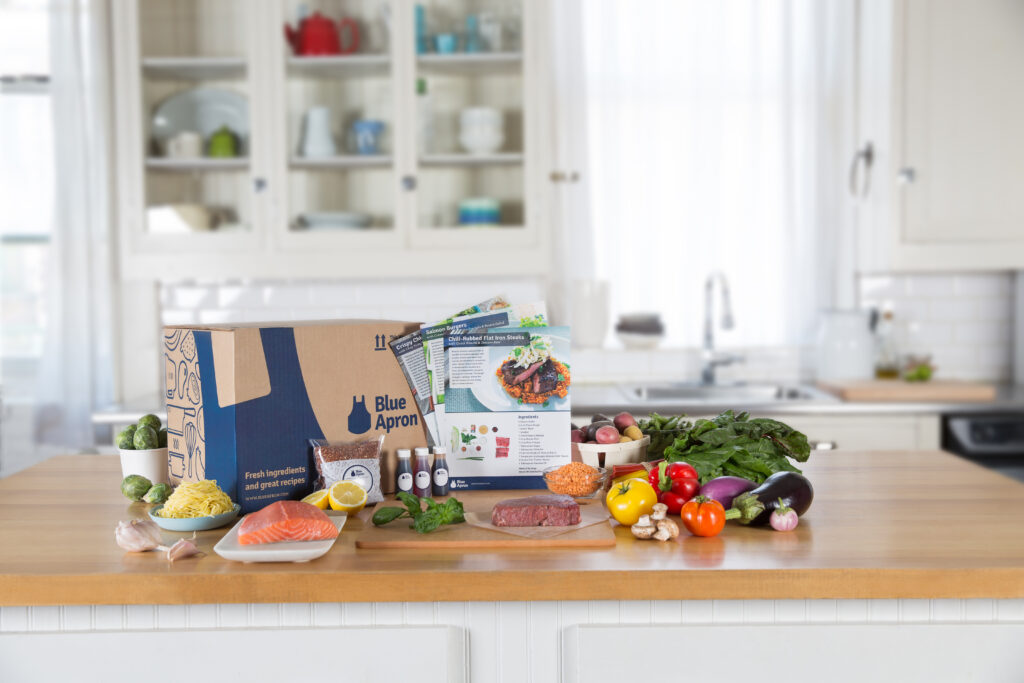
To find out whether a meal kit costs more, compare its complete delivered price with two grocery figures: the packages you must buy now and the value of the ingredients used in those dinners. Keep unused ingredients separate from food actually wasted.
The worked example below uses three published Home Chef recipes and verified FreshDirect listings for a New York City comparison. Some ingredient prices and the meal-kit checkout total could not be verified, so the figures are partial subtotals—not evidence that either option is cheaper.
1. Compare the same dinners, not two different shopping habits
Start by choosing three dinners for two people: six servings altogether. Then price the grocery ingredients needed to reproduce those meals, including their sides, sauces and garnishes.
That is a different question from whether you could cook something cheaper. Replacing a shrimp dinner with plain pasta may lower spending, but it does not establish the grocery cost of an equivalent dinner.
For your comparison, match:
- The protein type and quantity.
- The pasta, rice or other starch.
- Vegetables and side dishes.
- Sauces, cheese, herbs and toppings.
- Whether ingredients arrive raw, cooked or otherwise prepared.
Preparation state matters. For example, Home Chef’s published shrimp rigatoni recipe specifies dry rigatoni, shrimp, marinara, light cream cheese and a French roll. Its grocery counterpart should include those components rather than just shrimp and pasta. (asset.homechef.com)
Write down substitutions instead of hiding them. A different brand of grated Parmesan can be a reasonable shopping choice, but it is not proof of identical taste or quality. Likewise, choosing a larger grocery portion means you are buying a different quantity.
2. Record the complete meal-kit price before comparing
Use the price for your selected recipes and plan—not the lowest number on the homepage.
Home Chef’s support page says standard meals start at $9.99 per serving, with prices varying by order size, menu and customization. At that stated starting rate, six servings would be $59.94 before shipping and any other applicable charges. That calculation is a reference point, not a verified quote for the three recipes below. (support.homechef.com)
Home Chef also says free shipping is generally not a permanent feature of its subscription service. The opened shipping guidance did not supply a numerical fee, so this comparison does not assume one. (support.homechef.com)
Before ordering, capture these checkout lines:
| Meal-kit cost item | What to record |
|---|---|
| Selected dinners | Price for each recipe and its serving count |
| Customizations | Protein swaps or extra portions |
| Delivery | Shipping charge for that box |
| Other charges | Applicable taxes or fees |
| Promotion | Discount on this particular order |
| Recurring price | Expected price without the introductory discount |
Keep the introductory box and the ordinary recurring box in separate columns. Otherwise, you may answer “Is the first discounted order cheaper?” when your real question is “Can I afford this every week?”
Do not place an order merely to conduct the comparison. If the final price is unavailable without completing signup, mark that information as unresolved.

3. Build a matched menu for three dinners for two
The example uses three published Home Chef recipe cards. Each lists 5 ounces of dry rigatoni and 1 ounce of grated Parmesan, allowing one grocery pasta package and one cheese package to contribute to all three dinners. (asset.homechef.com)
| Dinner | Published recipe quantities to match | Verified grocery ingredient subtotal* |
|---|---|---|
| Italian sausage and broccoli pasta | 5 oz rigatoni, 8 oz Italian pork sausage, 6 oz broccoli, 1 oz Parmesan; plus garlic, cooking wine, light cream cheese and red pepper flakes | $3.22 |
| Shrimp rigatoni with creamy tomato sauce and garlic bread | 5 oz rigatoni, 8 oz shrimp, 1 oz Parmesan; plus marinara, light cream cheese, butter, flour, a Roma tomato, garlic and a French roll | $1.72 |
| Rigatoni meatball bake with garlic bread | 5 oz rigatoni, 10 oz ground beef, 1 oz Parmesan, 2 oz mozzarella; plus marinara, oregano, panko, garlic, red pepper flakes and a French roll | $3.39 |
| Combined | Six servings across three dinners | $8.33 |
*These are deliberately incomplete subtotals. They include only rigatoni, Parmesan, broccoli and mozzarella where used. They exclude the proteins and other listed ingredients, so they must not be presented as dinner prices. Recipe quantities come from the provider’s published cards. (asset.homechef.com)
The grocery calculations use the package prices in the next section. They illustrate how to allocate shared packages, not how much the complete menu costs. (freshdirect.com)
These are published recipes, not a claim that all three are available together in a current subscription box.
4. Separate the first grocery shop from ingredients used
This is where a comparison can produce two different—and both useful—answers.
Package spending measures the cash needed to buy the groceries. Ingredient-use cost allocates only the portion used in the selected dinners.
For the New York City example, the FreshDirect listings reviewed on October 10, 2026 displayed these package prices. They were public listings, not an address-specific checkout or a purchased receipt. FreshDirect identifies New York City neighborhoods among its delivery markets. (freshdirect.com)
| Grocery product | Package shown | Package price | Used across the menu | Allocated ingredient cost |
|---|---|---|---|---|
| Barilla rigatoni | 16 oz | $2.19 | 15 oz | $2.05 |
| Kraft grated Parmesan | 8 oz | $8.29 | 3 oz | $3.11 |
| Broccoli florets | Approximately 32 oz | $7.99 | 6 oz | Approximately $1.50 |
| Tillamook shredded mozzarella | 8 oz | $6.69 | 2 oz | $1.67 |
| Rao’s marinara | 24 oz | $8.99 | Two recipes specify different measurement units | Not calculated |
| Verified package subtotal | $34.15 |
Package sizes and prices are supported by the retailer listings; allocated costs are calculations from those figures and the recipe quantities. (freshdirect.com)
The basic calculation is:
Ingredient-use cost = package price × quantity used ÷ package quantity
For the pasta:
$2.19 × 15 ÷ 16 = $2.05, rounded.
You still pay $2.19 to buy the box. The approximately $0.14 difference represents pasta remaining in the package—not automatic waste.
The $34.15 is only a partial first-shop subtotal. A complete grocery receipt would also require the proteins, bread, tomato, cream cheese and any missing pantry ingredients, plus applicable checkout charges. Their complete prices were not verified here.
Marinara presents another practical check: one recipe specifies 4 ounces, while another specifies 8 fluid ounces. Weight and volume are not interchangeable. Use a suitable label conversion or measure the actual product before assigning its consumed cost. (asset.homechef.com)

5. Make pantry assumptions explicit
Do not let “already in the kitchen” become a way to make one side look artificially cheap.
Use two separate pantry columns:
- New spending: what you must purchase for this menu.
- Ingredients used: the value consumed, including items already owned when their cost can be established.
If you already have oil, flour and breadcrumbs, they may add nothing to this week’s receipt. They still contribute to the food you prepare. If you cannot establish their usage cost, label the total as excluding those pantry ingredients.
Check the meal-kit recipe’s requirements too. The published sausage pasta and shrimp rigatoni cards call for olive oil, salt and pepper from the kitchen; the meatball bake also lists cooking spray. A kit price therefore does not necessarily include every item needed to cook it. (asset.homechef.com)
For a household starting with an empty kitchen, the first-shop figure is especially important. For a stocked household planning several weeks, the ingredient-use figure may better explain the menu’s ongoing food cost.
Neither figure should replace the other.
6. Count unused ingredients separately from food waste
The worked example leaves about 26 ounces of broccoli from an approximately 32-ounce package. That remainder is substantial, but its purchase value is not automatically a loss. (freshdirect.com)
Give each remainder a practical destination:
| Remaining ingredient | Decision to make |
|---|---|
| Dry rigatoni | Keep for another planned meal |
| Broccoli | Schedule another use while it remains suitable |
| Parmesan and mozzarella | Check package storage instructions and plan another use |
| Marinara | Check the opened-product instructions and remaining quantity |
For budgeting, use this distinction:
Menu ingredient cost + value actually discarded = food cost attributable to the menu and its waste
Do not add the entire unused-package value to the ingredient-use total unless you genuinely discard it. That would confuse inventory with waste.
Storage also affects whether a reuse plan is realistic. FoodSafety.gov’s cold-storage chart recommends refrigerating raw ground meat and raw sausage for only one to two days, while cooked meat or poultry leftovers generally have a three-to-four-day refrigerator window. Use the relevant guidance when deciding whether to cook or freeze an extra portion. (foodsafety.gov)
Apply the same scrutiny to the kit: ingredients or portions you do not eat are not made cost-free by arriving pre-portioned.
7. Use the completed numbers to make the decision
Finish the worksheet before declaring a winner:
| Comparison figure | What it answers |
|---|---|
| Complete delivered kit price | What will this box cost? |
| Complete first grocery shop | How much cash must I spend now? |
| Grocery ingredients used | What food value goes into these dinners? |
| Food actually discarded | What additional value was lost? |
Then make two comparisons:
- Cash comparison: delivered kit price versus the complete grocery purchase needed now.
- Food-use comparison: kit cost, including required kitchen ingredients, versus grocery ingredients used plus actual waste.
Keep convenience separate. If the completed comparison shows a kit premium, decide whether avoiding menu planning, ingredient selection and portioning is worth that amount to you. Do not convert it into claimed savings unless it genuinely reduces your spending elsewhere.
Before accepting the result, check for common mistakes:
- Comparing six servings with three servings.
- Using an introductory kit discount against ordinary grocery prices.
- Omitting shipping or grocery checkout charges.
- Charging an entire package to a recipe that uses only part.
- Treating all unused groceries as spoiled food.
- Mixing raw, dry and cooked ingredient weights.
- Calling a partial subtotal a complete dinner cost.
The conclusion from this example is limited: verified prices demonstrate the difference between package spending and ingredient allocation, but missing grocery prices and an unverified recipe-specific kit checkout prevent a defensible cheaper-option verdict. Complete those missing lines for your own menu and address before subscribing.